Safety Tips for Youth Speed Skating Beginners
- Xueping Geng
- Feb 5
- 4 min read

Speed skating is an exhilarating sport that combines speed, skill, and strategy. For youth beginners, it offers a fantastic way to stay active, build confidence, and develop teamwork skills. However, like any sport, it comes with its own set of risks. This blog post aims to provide essential safety tips for young speed skaters to ensure a fun and secure experience on the ice.
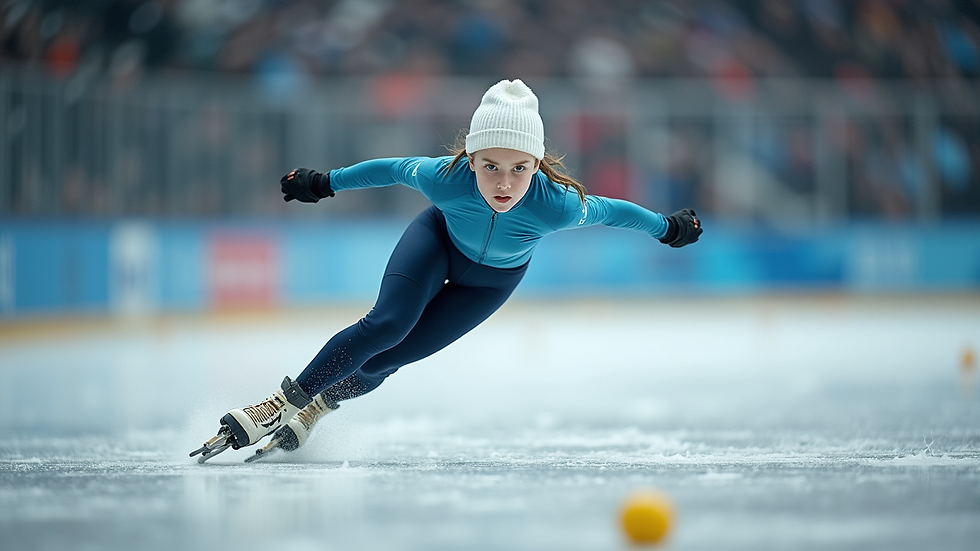
Understanding the Basics of Speed Skating
Before diving into safety tips, it's crucial to understand the fundamentals of speed skating. This sport involves skating on ice using long blades attached to specially designed boots. The goal is to move as quickly as possible while maintaining balance and control.
Equipment Essentials
Proper equipment is vital for safety and performance in speed skating. Here’s what every beginner should have:
Skates: Ensure they fit well and are appropriate for your skill level. Beginners should opt for recreational skates that provide good ankle support.
Helmet: A well-fitted helmet is essential to protect against head injuries. Look for helmets specifically designed for skating.
Protective Gear: Wrist guards, knee pads, and elbow pads can prevent injuries from falls. Consider padded shorts for additional protection.
Clothing: Wear layers that wick moisture away from the body. Avoid loose clothing that can get caught in the skates.
Safety Tips for Beginners
1. Learn the Basics of Balance
Balance is crucial in speed skating. Beginners should practice standing on their skates off the ice to get a feel for the balance required. Here are some tips:
Stance: Keep your knees slightly bent and your weight centered over your skates.
Practice: Spend time gliding on one foot to improve balance. Start on a flat surface before moving to the ice.
2. Warm-Up and Stretch
Before hitting the ice, warming up is essential to prevent injuries. A good warm-up routine should include:
Dynamic stretches: Focus on the legs, hips, and core. Leg swings and arm circles can help loosen up.
Light skating: Start with slow laps around the rink to get your muscles ready for speed.
3. Understand the Ice Environment
Familiarize yourself with the skating rink. Here are some key points to consider:
Know the layout: Understand the lanes and where to skate. Stick to designated areas to avoid collisions.
Watch for hazards: Be aware of any cracks, rough patches, or other skaters on the ice.
4. Practice Falling Safely
Falling is a part of learning any sport, including speed skating. Here’s how to fall safely:
Bend your knees: This lowers your center of gravity and helps you stay balanced.
Roll with the fall: If you feel yourself going down, try to roll onto your side rather than landing flat on your back.
5. Stay Aware of Your Surroundings
Situational awareness is crucial for safety on the ice. Here are some tips:
Keep your head up: Always look ahead and be aware of other skaters around you.
Communicate: Use hand signals or verbal cues to indicate your movements to others.
Skating Techniques for Safety
1. Start Slow
Beginners should focus on mastering basic skating techniques before attempting speed. Here are some foundational skills to practice:
Gliding: Work on gliding smoothly and maintaining balance.
Stopping: Learn how to stop safely using the snowplow or T-stop techniques.
2. Use Proper Form
Good skating form not only improves speed but also enhances safety. Here’s how to maintain proper form:
Keep your arms relaxed: Use them for balance but avoid flailing.
Stay low: A lower center of gravity helps maintain balance and control.
3. Practice Turns
Turning is an essential skill in speed skating. Here’s how to do it safely:
Lean into the turn: Shift your weight to the inside skate while keeping your outside skate straight.
Look where you want to go: Your body will naturally follow your gaze.
The Importance of Supervision
For young skaters, supervision is crucial. Here are some guidelines for parents and coaches:
Always supervise beginners: Ensure that they are skating in a safe environment and are following safety protocols.
Encourage group skating: Skating with friends or in a group can enhance safety and make the experience more enjoyable.
Dealing with Injuries
Injuries can happen, even with the best precautions. Here’s how to handle them:
Know the basics of first aid: Familiarize yourself with how to treat common injuries like sprains or cuts.
Seek help when needed: If an injury seems serious, don’t hesitate to seek medical attention.
Building Confidence on the Ice
Confidence is key to enjoying speed skating. Here are some tips to help young skaters build their confidence:
Set achievable goals: Start with small, manageable goals and gradually increase the difficulty.
Celebrate progress: Acknowledge improvements, no matter how small, to boost motivation.
Conclusion
Speed skating is a thrilling sport that offers numerous benefits for youth. By following these safety tips, beginners can enjoy their time on the ice while minimizing risks. Remember, practice makes perfect, and with time, patience, and the right precautions, young skaters can develop their skills and confidence. Encourage them to lace up their skates, hit the ice, and embrace the joy of speed skating!
Comments